We use cookies to analyze site traffic (Yandex.Metrica) — this helps us understand which pages visitors find interesting. Analytics does not run without your consent. Learn more in our privacy policy.
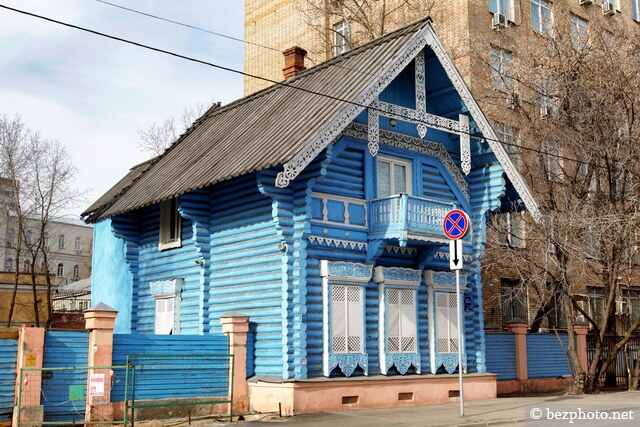
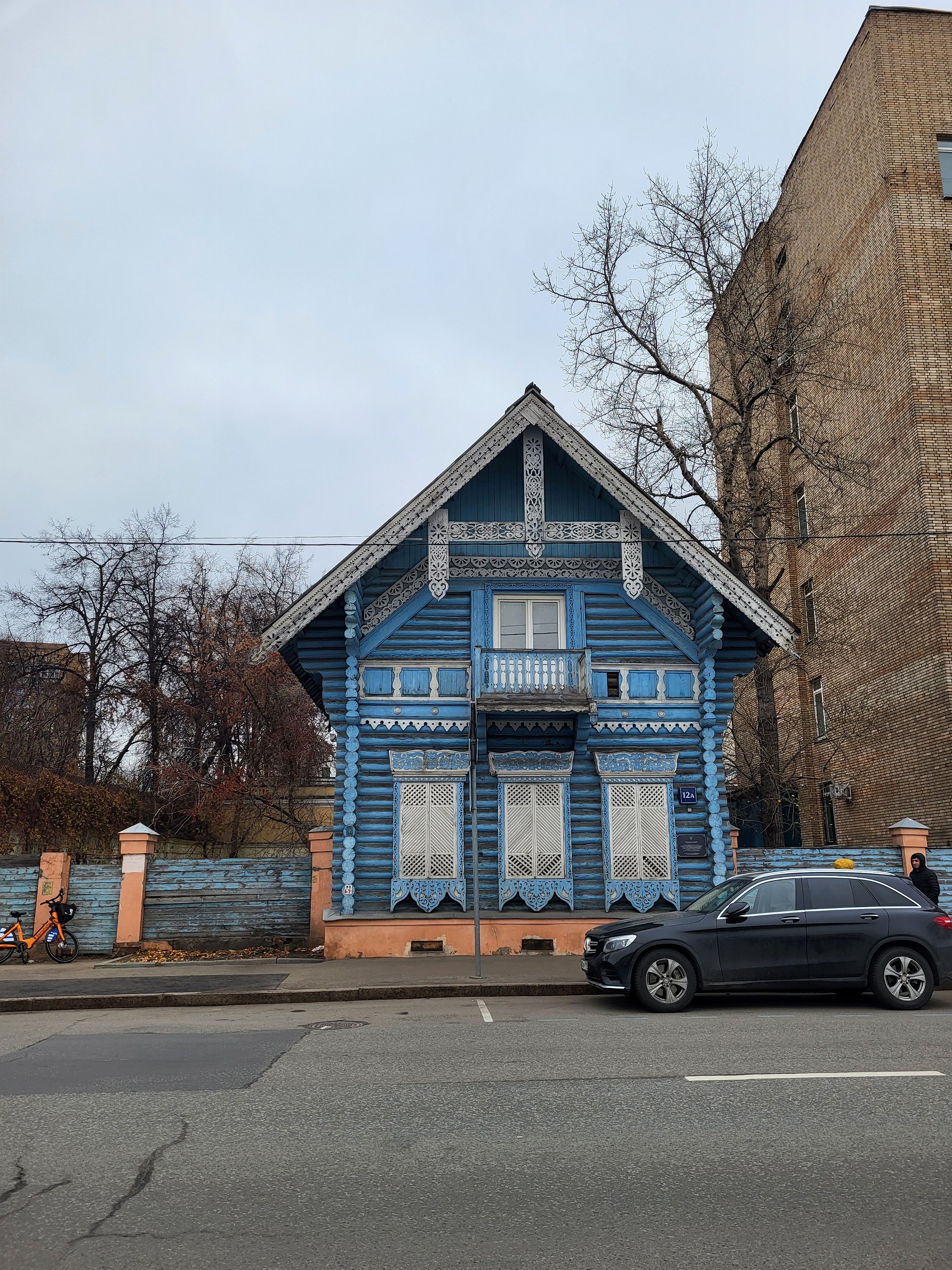
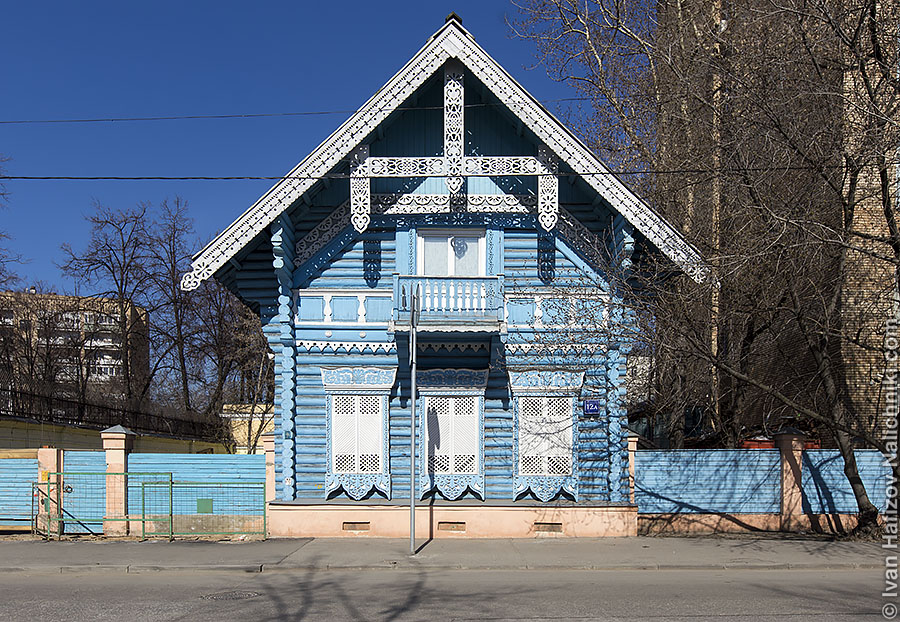
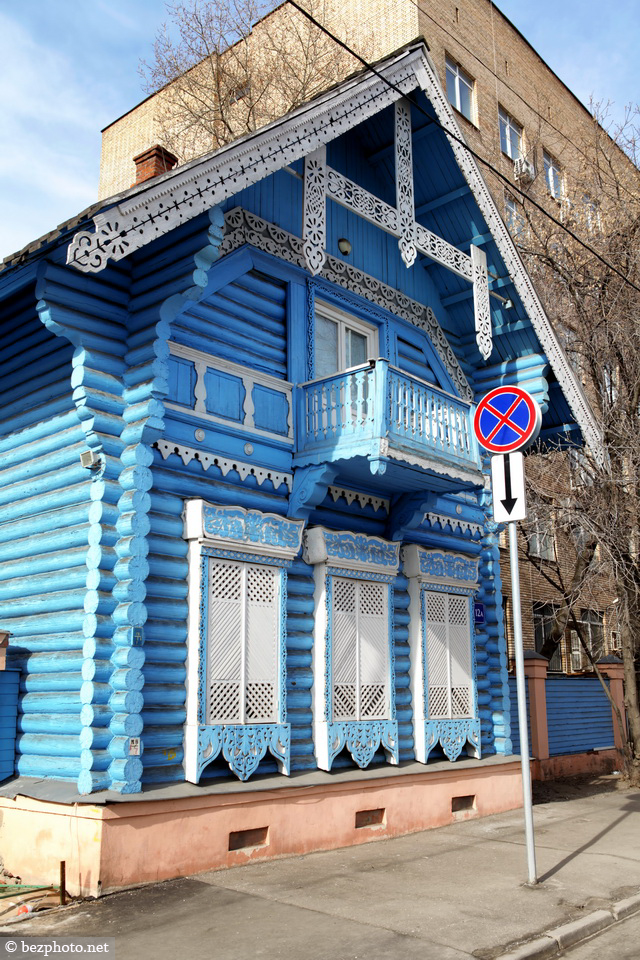
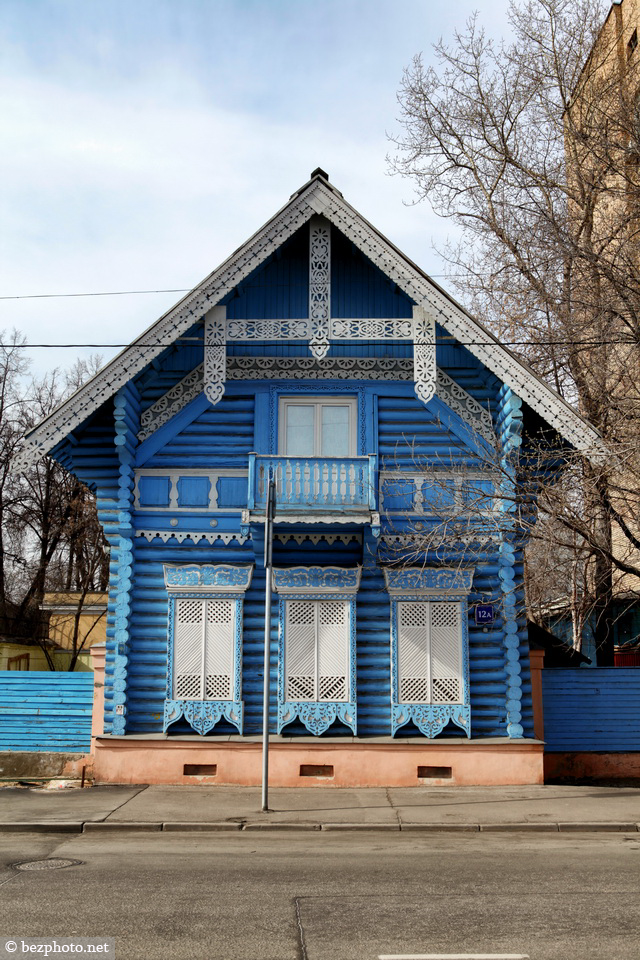
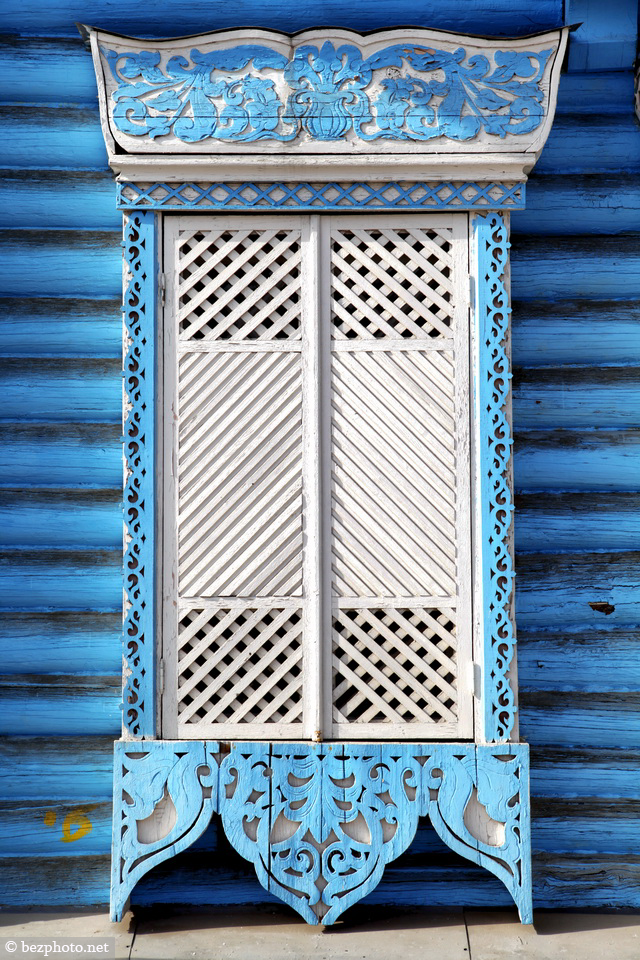
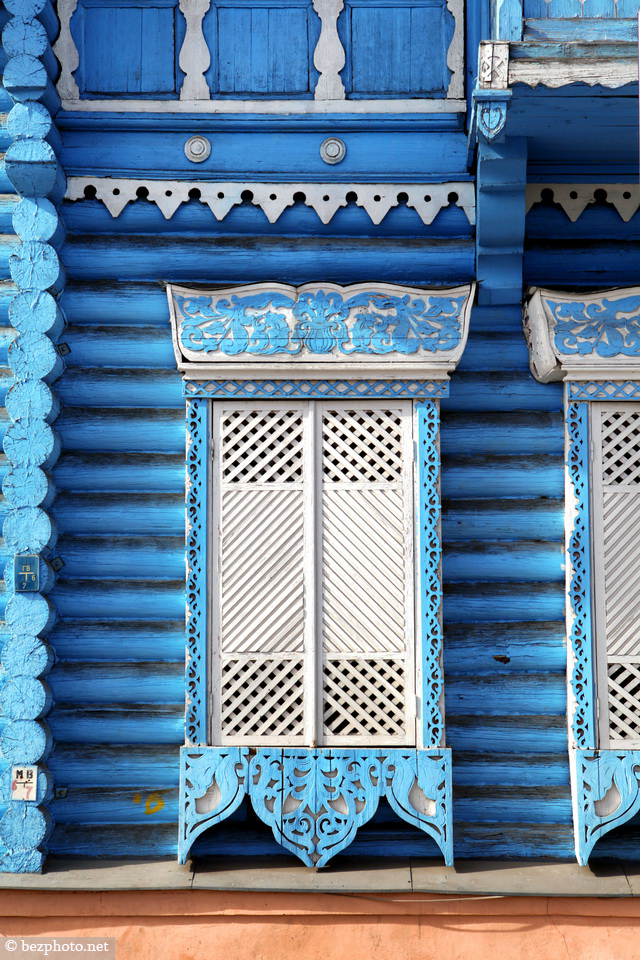
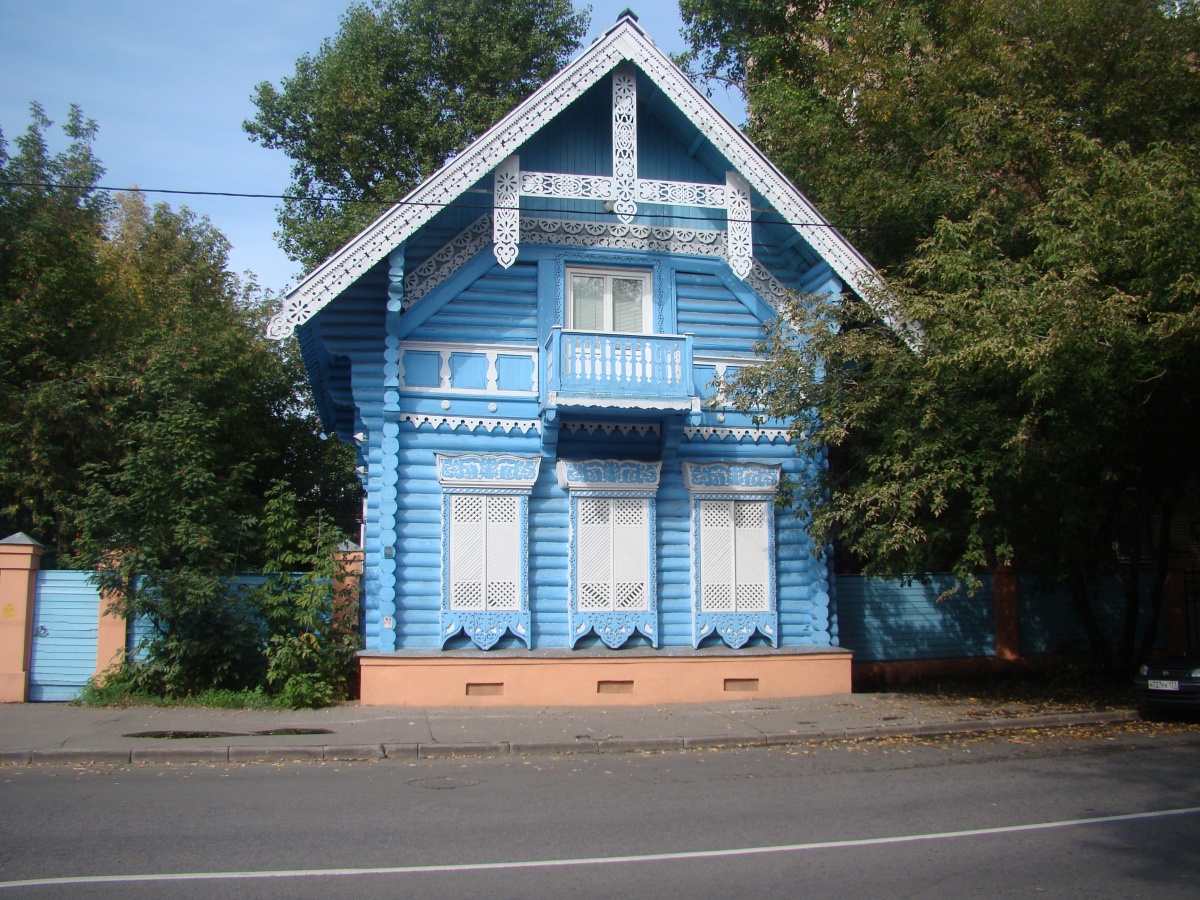
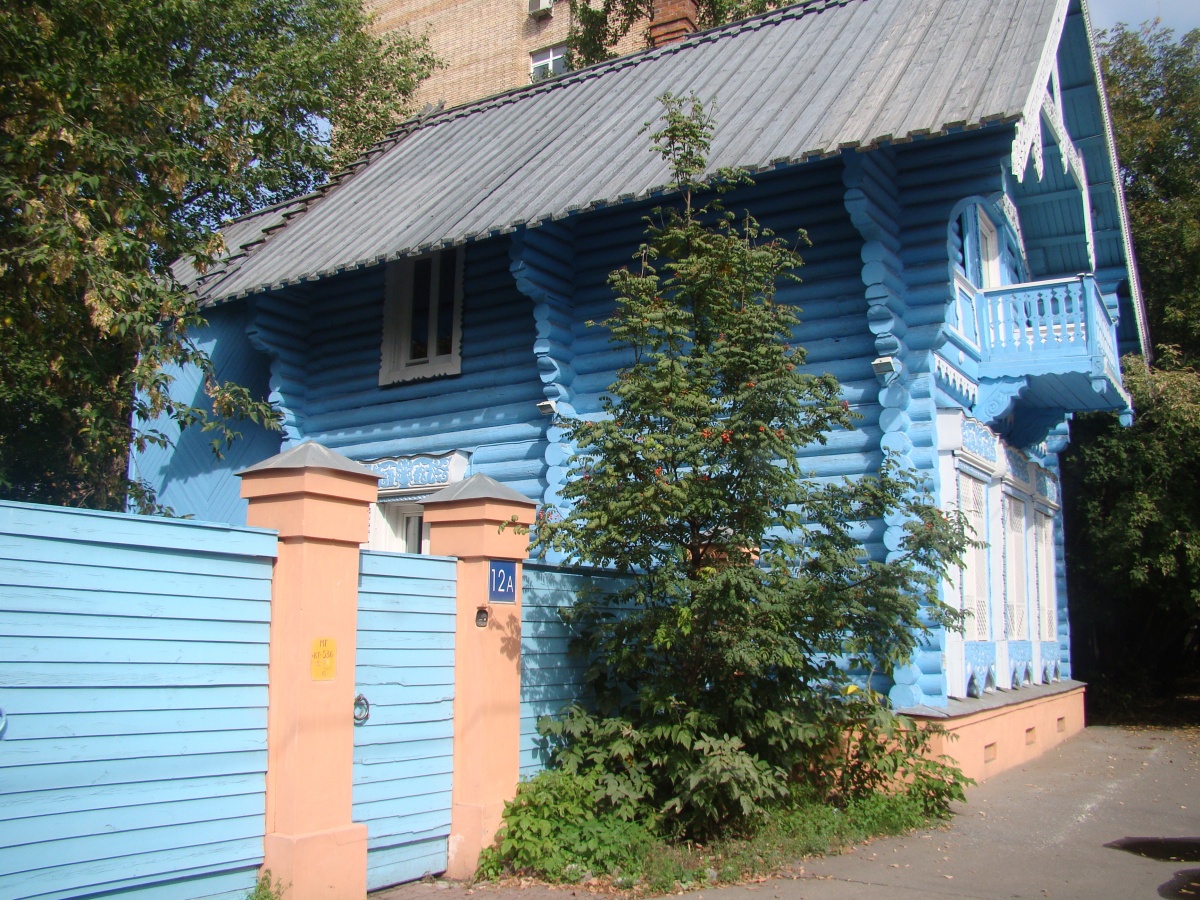
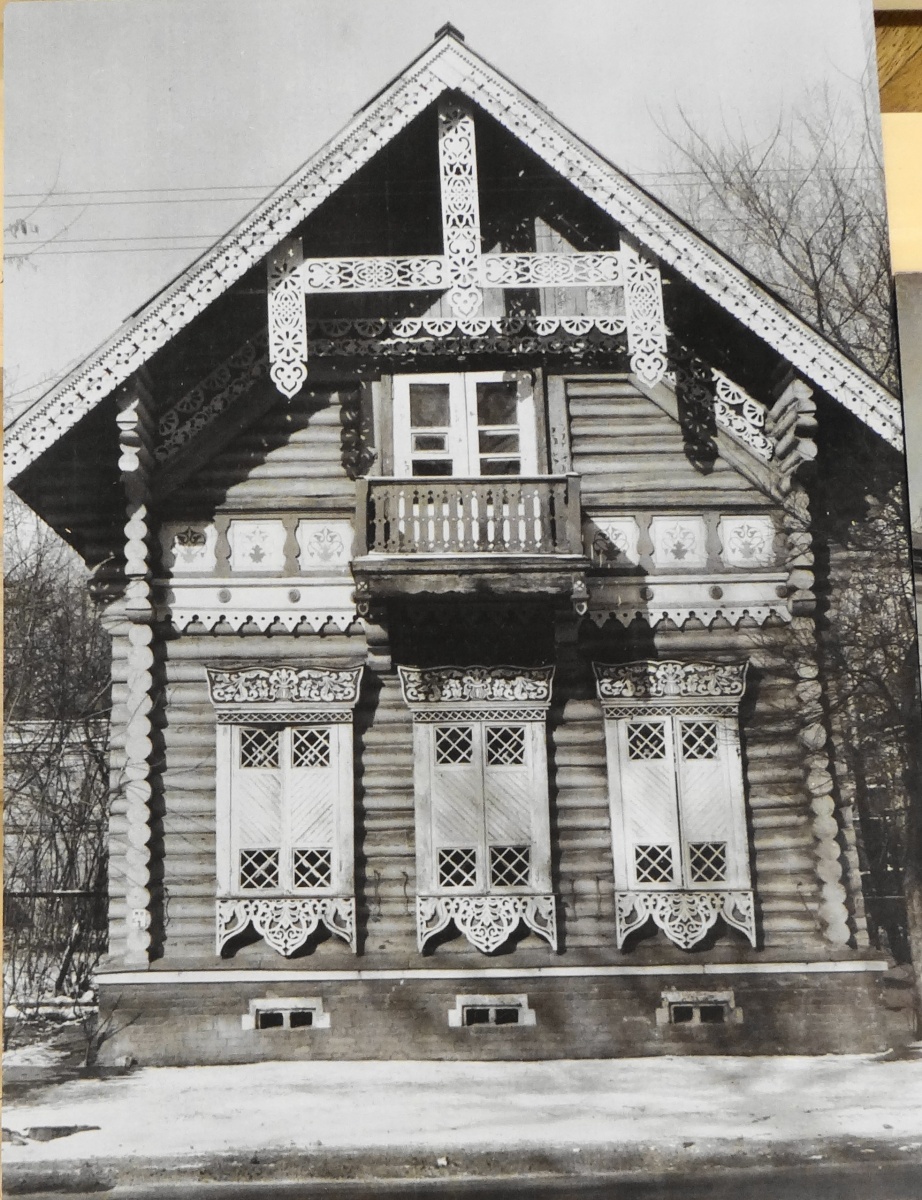
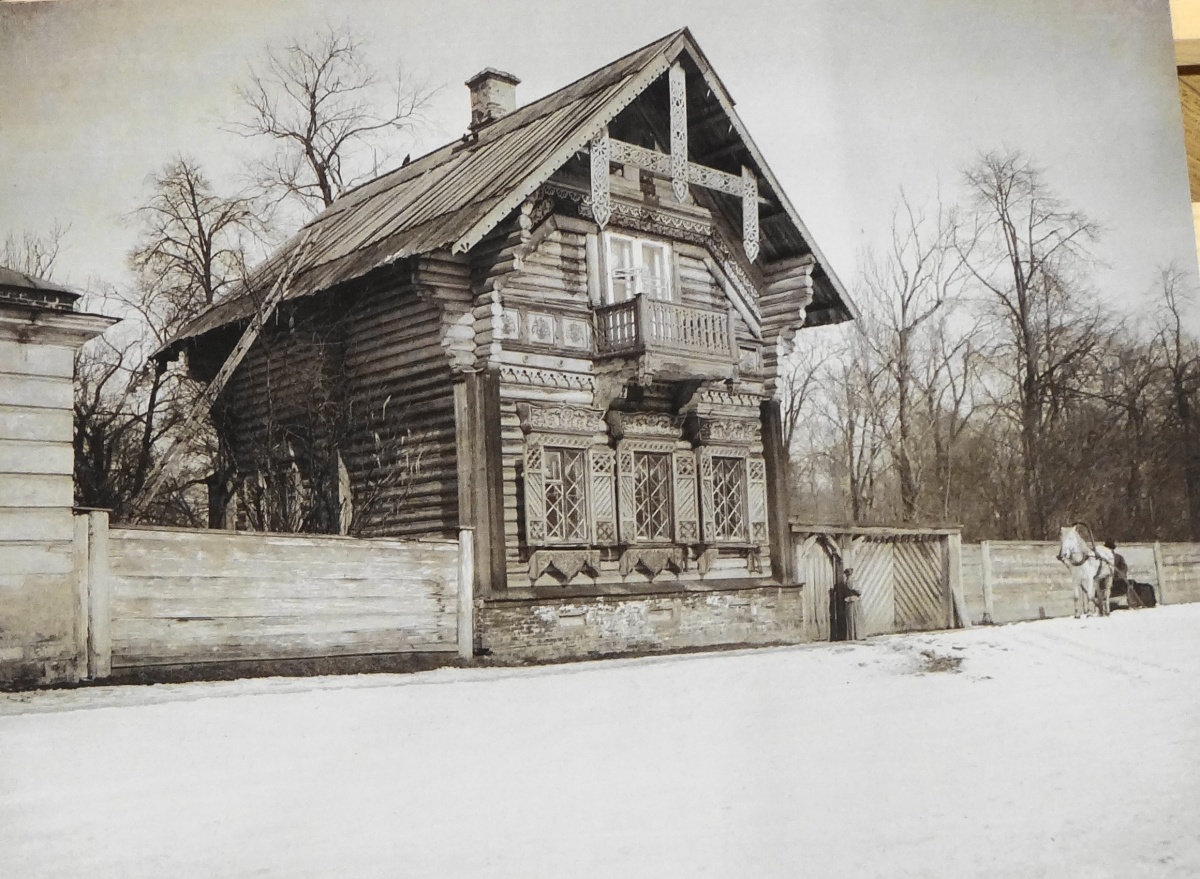
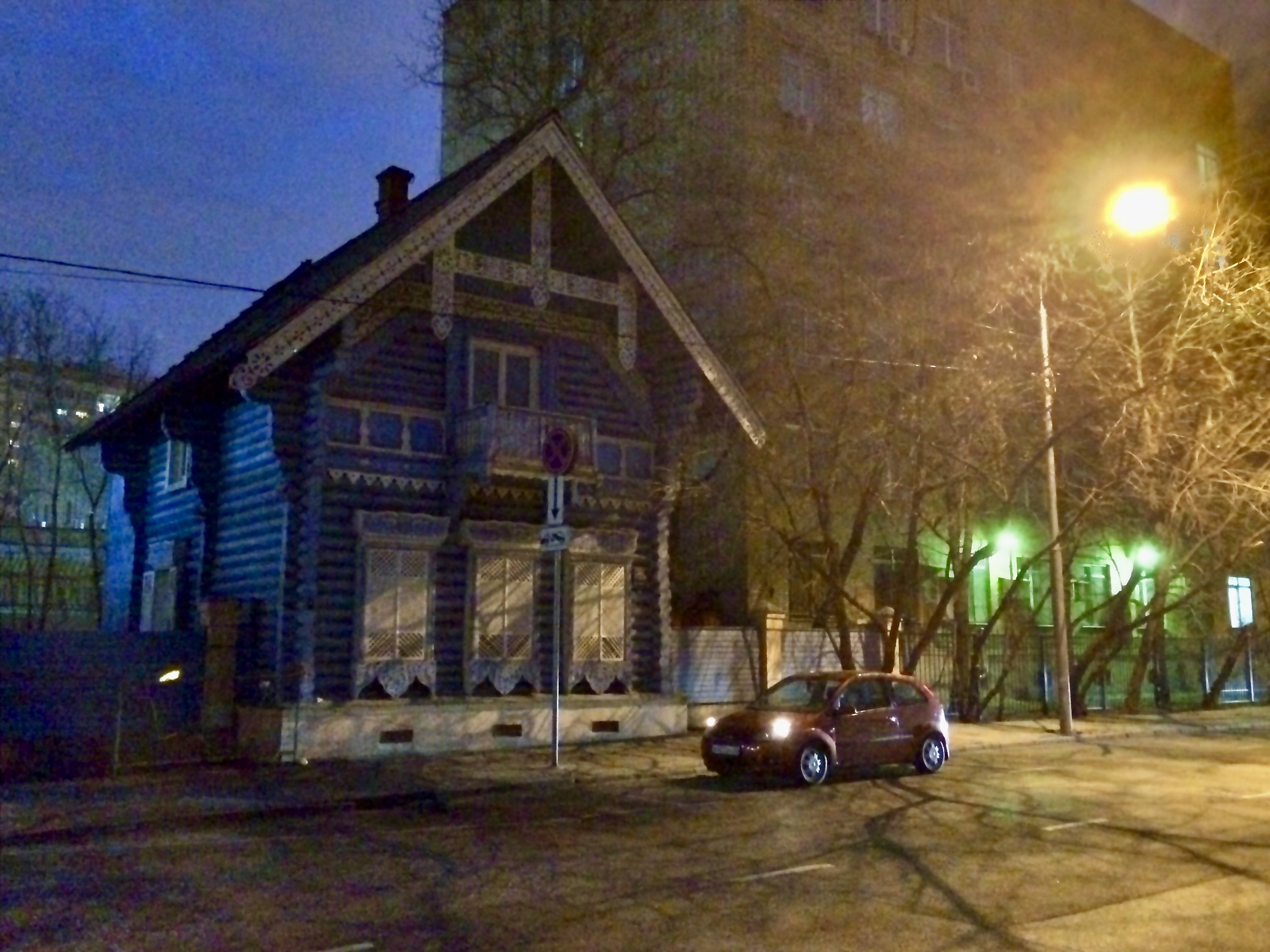
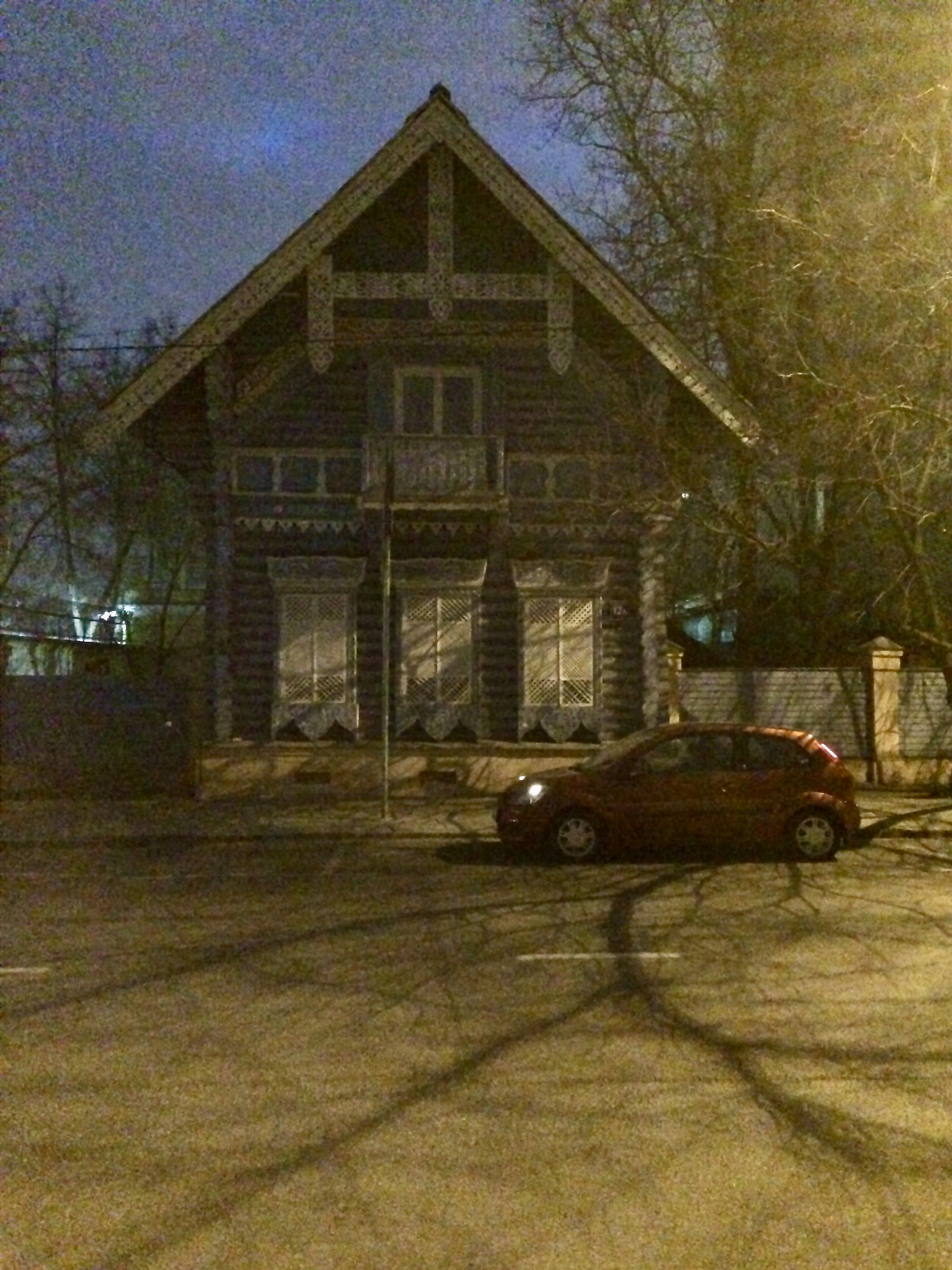
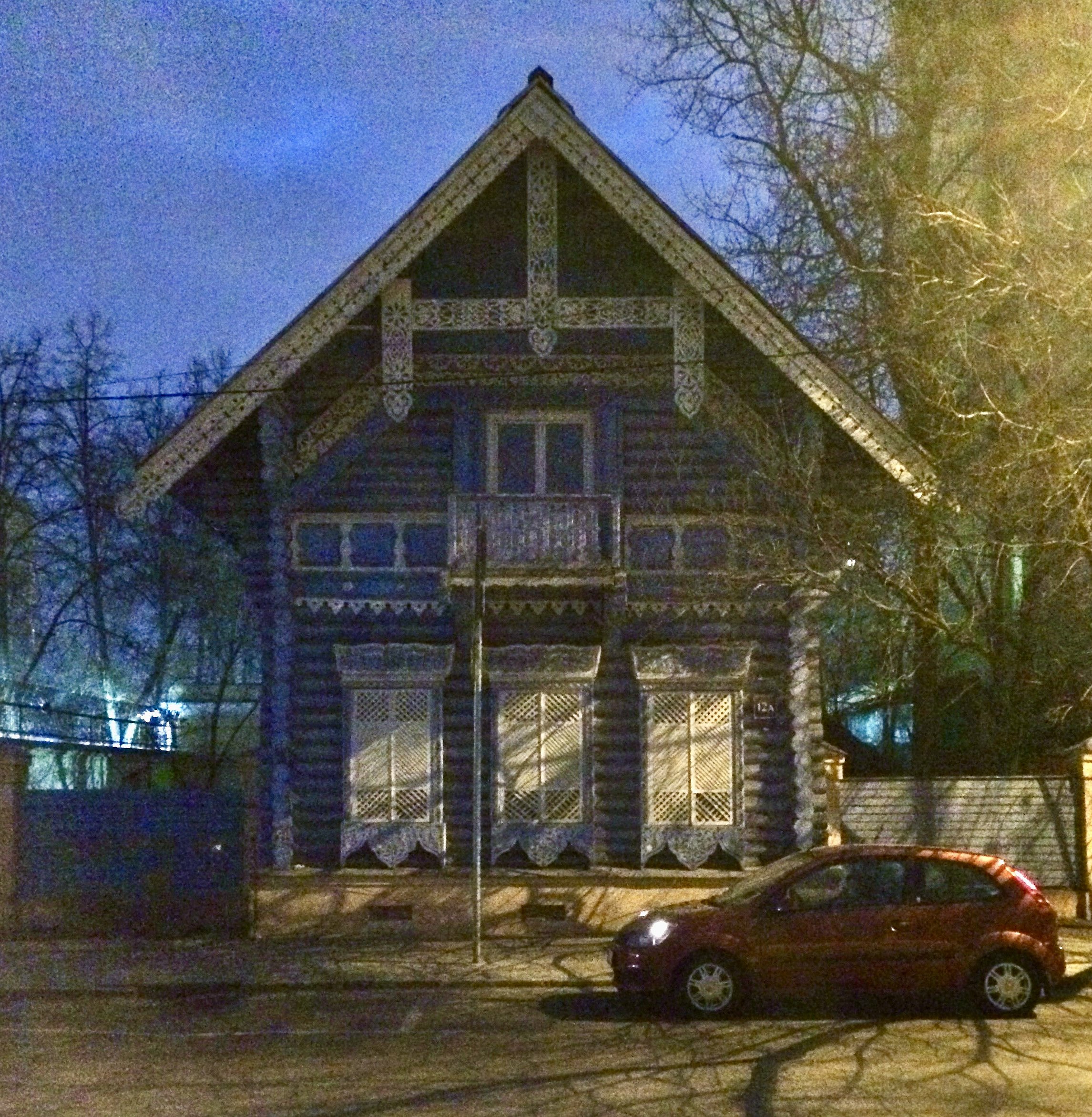
Not far from the Novodevichy Convent, on Pogodinskaya Street (house 12a), stands an exquisitely beautiful small blue house — the Pogodinskaya Izba. Surrounded by standard research institutes, the house seems like a toy and is completely out of place in the modern urban landscape. One gets the impression that, as in the tale of the Emerald City, some unknown force brought it here. Few people know about the existence of this structure or that it is one of the oldest surviving wooden buildings in Moscow. The Pogodinskaya Izba is more than 150 years old. The izba was built in 1856 by architect Nikolai Vasilyevich Nikitin and gifted to Mikhail Petrovich Pogodin (professor at Moscow University, historian and publicist) by the major Russian entrepreneur Vasily Alexandrovich Kokorev as a tribute to the famous historian's interest in folk architecture and art. It was one of two wings of the main house of the estate. Conceived as a programmatic work of the "Russian style", it was built in the forms of folk wooden architecture. It is a tall log structure with a garret room on the upper floor, decorated with ornamental saw-carved woodwork (shutters, "towels", "valances" and other details), executed, presumably, from drawings by Prince G.G. Gagarin. The izba served as an "ancient repository" where Pogodin kept historical relics. The Slavophiles gathered here — Samarin, Khomyakov, Chizhov. It was a prominent literary salon of Moscow: writers and actors were constantly present — N.V. Gogol (who visited and worked here — writing volume 1 of "Dead Souls", editing "Taras Bulba", and celebrating his nameday), A.N. Ostrovsky, F.I. Tyutchev, P.Ya. Chaadaev, M.N. Zagoskin, A.F. Pisemsky, E.A. Baratynsky, M.S. Shchepkin, P.A. Vyazemsky, K.S. Aksakov, S.T. Aksakov. In 1941, during the Great Patriotic War, a bomb struck the main house of the estate and destroyed it, while the izba was badly damaged. Only in 1972 was the building restored by the All-Russian Society for the Preservation of Monuments of History and Culture; thereafter the district branch of the Society occupied the izba and lectures were held there. Before the era of reform and privatization, Muscovites would drop in to hear an interesting lecture or the sounds of an old grand piano. Then the izba stood locked for several years, gradually falling into disrepair. Today it has taken on a rather presentable appearance, but has lost its cultural purpose — like most historical buildings in Moscow, the izba has been given over to offices. (Description based on materials from an article by Elena Shchitova for www.um.mos.ru)
Registered users can save their favourite photos with a simple like. Sign up · Log in
When you like a photo, it is saved to your profile in the Liked Photos album. Try it — the like button is in the bottom right corner. The profile link is in the top right :)

No comments yet.